Transit vending systems

Vending machine for transportation hubs built for speed, cashless throughput, and travel essentials

Wendor helps airports, railway stations, metro hubs, and bus terminals capture urgent grab-and-go demand with a cleaner self-service retail layer for refreshments, hydration, and travel-friendly essentials.

Fast cashless checkout for rushed passenger buying behaviour
Travel-essential fit for hydration, snacks, accessories, and convenience basics
Machine presence designed for high-footfall public environments
Operational visibility for stocking, uptime, and repeated daily use
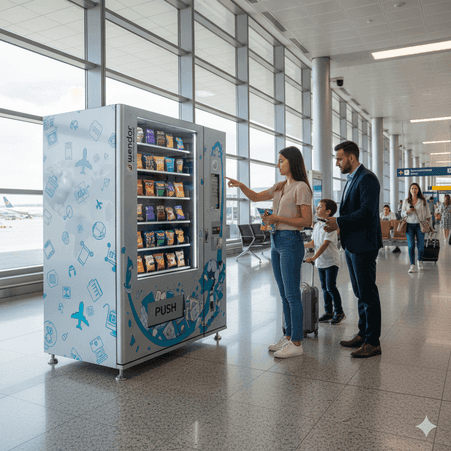
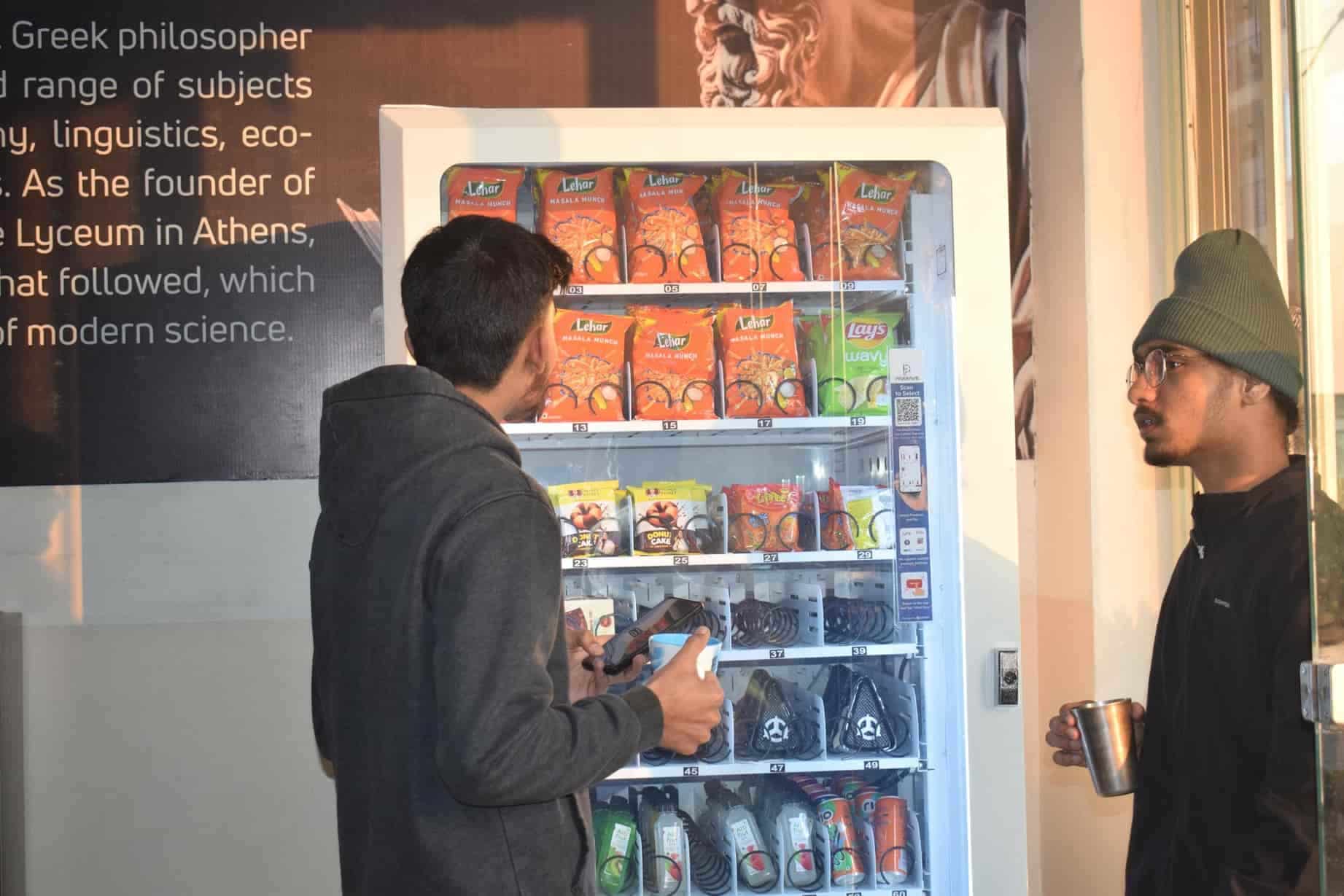
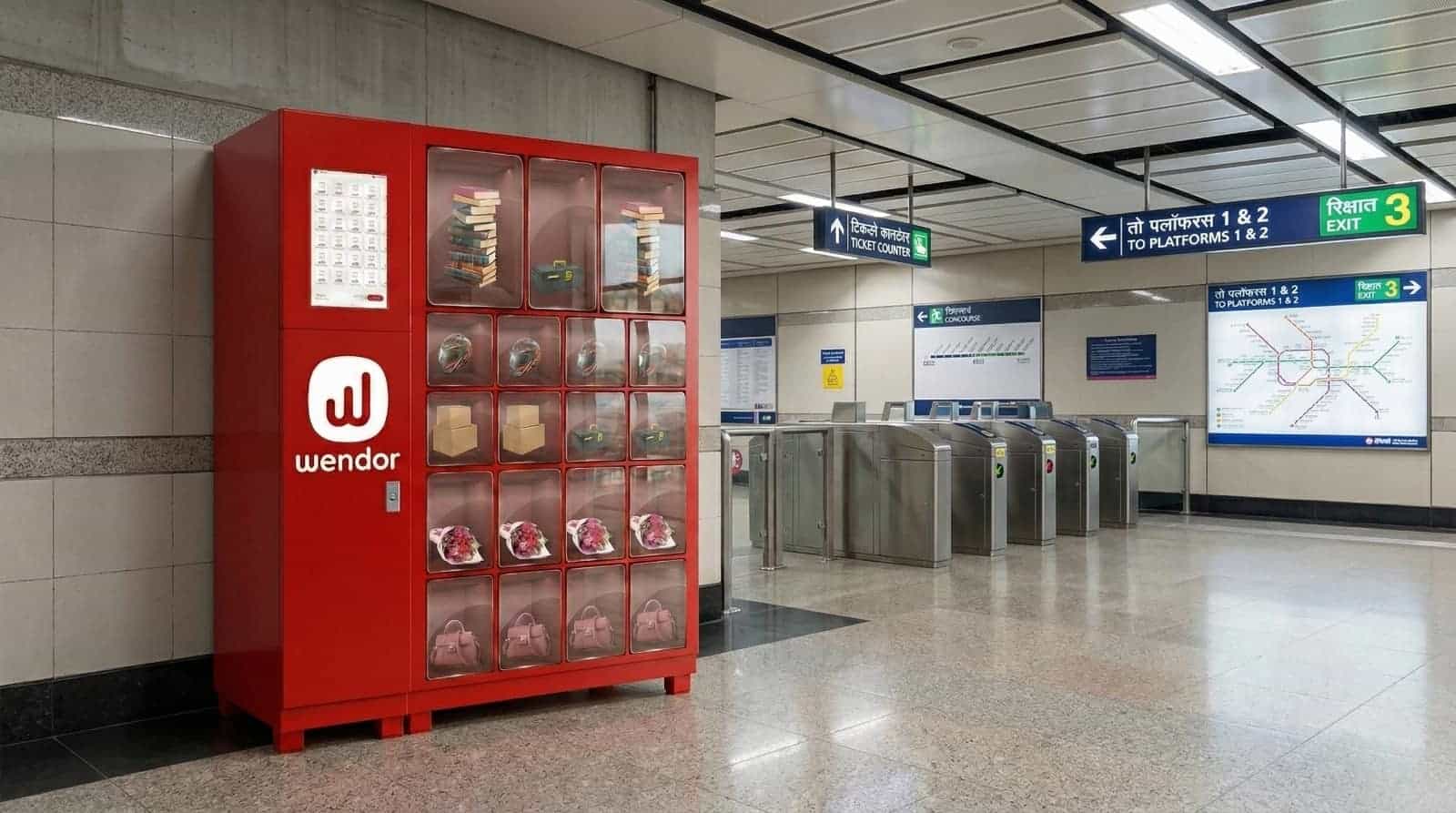
Transportation hub vending deployment visual for airports and station environments

Best fit

Airports, railway stations, metro interchanges, bus terminals, and concourse-led transit zones

Typical mix

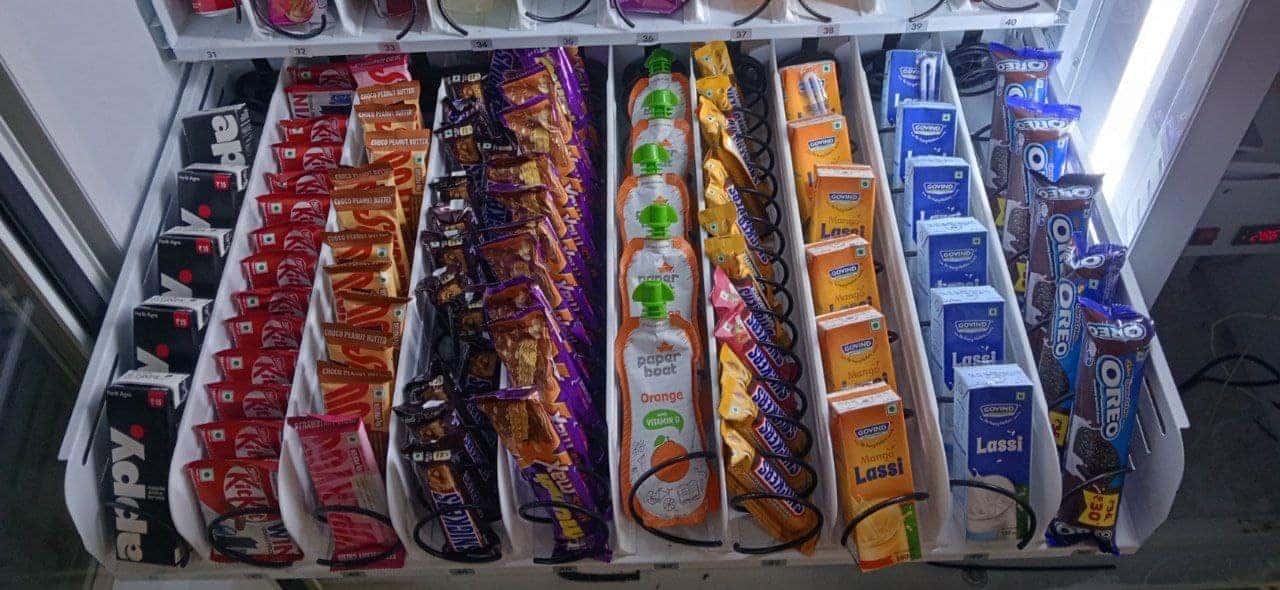
Water, drinks, snacks, quick-purchase travel items, and selected digital accessories

Operating focus

Speed, repeated-use reliability, and cleaner retail access in rush-heavy environments

Transit operating pain

Transport buyers are solving for urgency, throughput, and dead-hour access at the same time.

Passengers do not shop in transit hubs the way they shop in a mall. They buy when they are rushed, waiting, transferring, or realizing they forgot something important. That creates short decision windows, queue sensitivity, and a strong need for simple self-service access near the right circulation points.

Rushed passengers abandon slow purchase journeys

When the line is too long or the store is not immediately visible, a traveler often skips the purchase instead of waiting, even if the need is real.

Dead hours still need convenience coverage

Early departures, late arrivals, platform waits, and off-peak transfers still create demand even when not every staffed concession point is open.

Access to basics is often fragmented

Passengers may need water, a quick snack, a charger, tissues, or another travel basic without wanting to search across a large terminal or station footprint.

Premium public spaces cannot feel cluttered

Airports and modern metro or rail environments need vending that looks intentional and commercially credible, not like a messy add-on dropped into circulation space.

What transit buyers usually worry about

The practical questions are consistent: will the buying flow be fast enough, will the machine stay presentable under heavy use, what categories really matter to travelers, and can the rollout support both rush periods and low-staff hours without adding operational chaos?

Will passengers complete a purchase quickly enough to matter?
Can the machine handle repeated daily use in high-footfall zones?
Which categories belong in airports versus stations or metro hubs?
Will the setup feel premium enough for regulated or design-sensitive transport spaces?

Why Wendor fits transportation hubs

The strongest transit vending setup combines quick product discovery, cashless purchase flow, and a category mix built for forgotten or urgent needs.

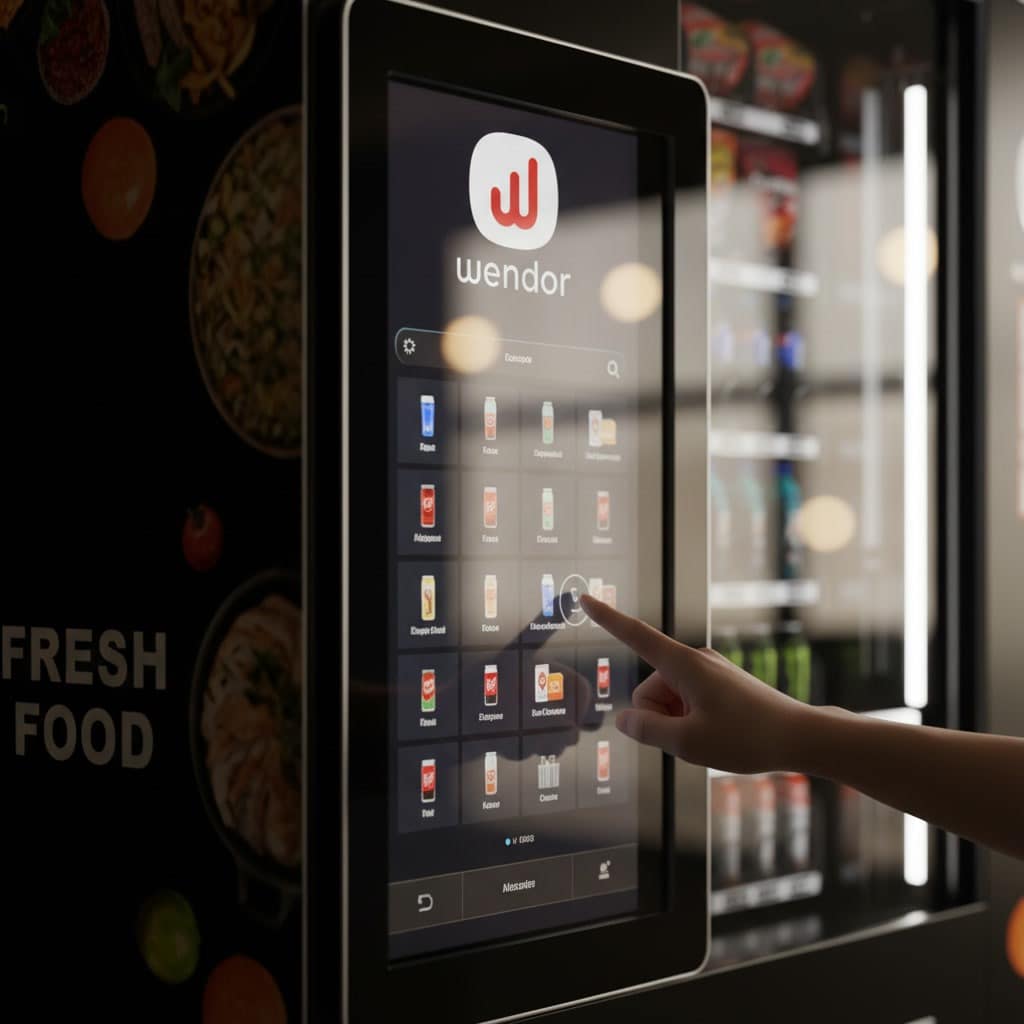
Wendor treats transportation-hub vending as a throughput problem first and a merchandising problem second. The machine has to be easy to read at a glance, easy to use under time pressure, and stocked with categories that travelers actually buy in motion-heavy environments.

Fast product discovery

Transit customers should be able to identify the machine’s purpose quickly, spot the relevant category fast, and move through the transaction without friction.

Cashless-only readiness

Digital-first checkout fits airports, metro systems, and station environments where speed matters and travelers increasingly expect tap, wallet, or QR-led payment flow.

Operator visibility

High-footfall sites need better control over stocking and service attention so the machine stays sale-ready during both rush periods and lower-coverage hours.

Pre- and post-security fit

Airport waiting areas

Useful for water, snacks, and travel basics in zones where passengers still have time to buy but may not want a staffed retail queue.

High movement

Concourse circulation points

High-visibility machines can capture quick purchases from passengers moving between gates, exits, or interchange paths.

Commuter urgency

Station exits and platforms

Helps rail passengers buy hydration, refreshment, or small convenience items near the points where need is immediate and time is limited.

Daily repeat use

Metro and terminal hubs

Best for compact, fast-use programs where repeat commuter behavior and digital payments make self-service especially practical.

Deployment model

The best transit deployments sit where urgency, dwell time, and purchase visibility overlap.

Wendor starts with the movement pattern. Airports may need pre-security and post-security convenience points. Railway stations and metro hubs may need machines near entries, exits, concourses, or transfer-heavy nodes. Bus terminals and integrated hubs often benefit from compact placement in circulation zones where passengers can buy and keep moving.

Outcomes and proof

A well-placed transit vending program captures more convenience demand without slowing the passenger journey.

The value comes from making small but important purchases easier to complete in environments where people are moving quickly. When the machine is placed well and the assortment is travel-relevant, transport operators can support passengers with a stronger cashless retail layer and less dependence on staffed coverage everywhere.

Higher convenience capture

Passengers can complete urgent small purchases instead of abandoning them because a shop is too far away or the line is too slow.

Better traveler support

Water, snacks, chargers, tissues, and other travel-friendly basics become easier to access at the point of need.

Stronger cashless retail layer

A digital-first machine adds a practical retail option for environments where throughput matters more than a long browsing journey.

Low-friction expansion

Operators can add self-service retail coverage across more circulation points without needing staffed retail in every location.

Operational reality

This page is grounded in how real transport environments already use vending. Houston Airports lists snack and drink vending in multiple terminal locations, including both pre-security and post-security zones. O’Hare publishes 24-hour travel-essentials vending with accessories, liquids, hygiene items, and other convenience categories. Beijing MTR shows water vending in station concourses with digital payment support. Taken together, those examples point to the same operating truth: transit vending works when placement, category relevance, and fast cashless flow are treated as one system.

Coca-Cola
Nestle
NITI Aayog
Ministry of Defence
UPI and cashless checkout Refill and service visibility Single office to multi-campus rollout

FAQ

Questions transit and concession teams ask before rollout

The strongest mix usually includes water, ready-to-drink beverages, packaged snacks, and selected travel-friendly essentials such as tissues, chargers, adapters, or other compact convenience items. The right category plan depends on whether the environment is commuter-heavy, long-dwell, premium, or more utility-led.

Planning a transit rollout?

Tell Wendor about your airport, station, metro hub, or terminal environment and we will help shape the right machine, category mix, and cashless flow.

Share your passenger type, circulation pattern, and deployment zones. We will help map a transit-ready self-service program built for speed and operational clarity.

Machine + software programs India and UAE teams Designed for international growth
WhatsApp