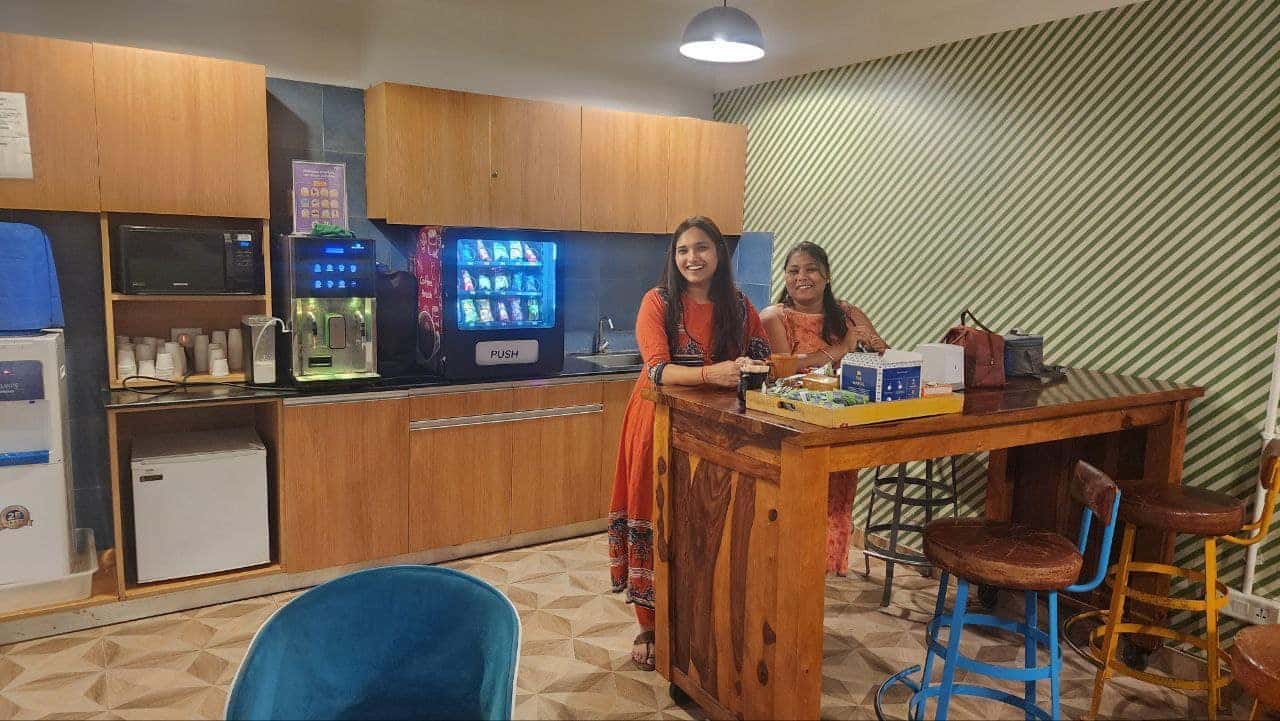









Employees leave the building for basics
When a quick coffee, beverage, charger, or packaged snack requires an outside run, the office loses time and the employee experience feels less considered.
Office and IT park vending
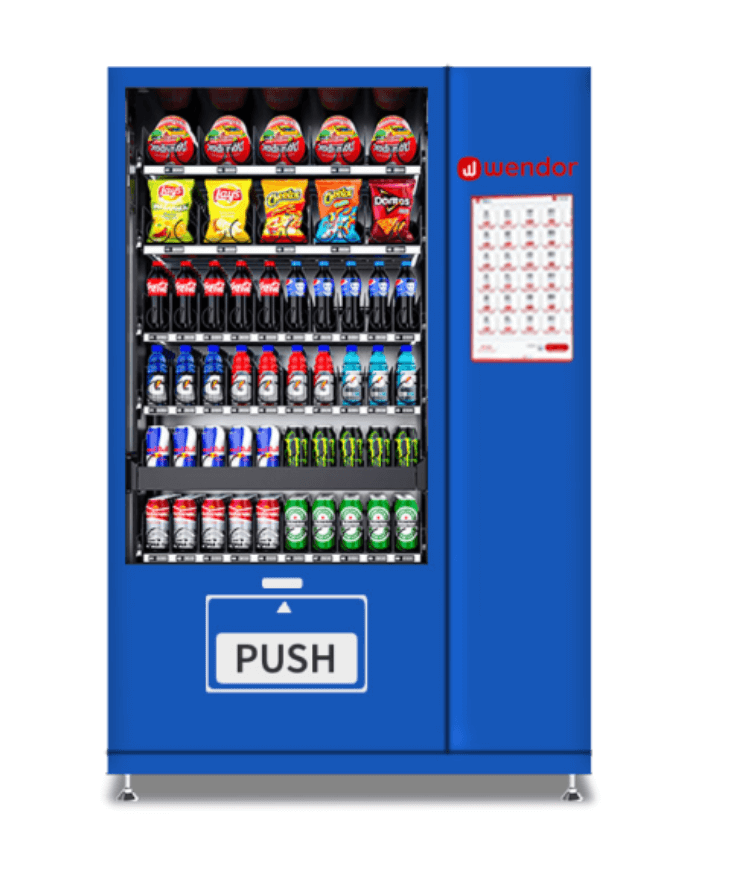
Wendor helps offices, IT parks, and commercial campuses launch cashless vending programs for snacks, beverages, and select essentials with machine formats that look premium, stay easier to manage, and scale across more than one building.
Best fit
Office floors, IT parks, managed workspaces, and multi-building campuses
Category mix
Snacks, beverages, coffee-led convenience, and carefully chosen non-food SKUs
Operating model
Cashless purchase flow with visibility for replenishment and support
Real workplace friction
Hybrid occupancy, staggered shifts, and premium workplace expectations make office food and essentials harder to manage than they look. Buyers are not just solving for snacks. They are solving for convenience, amenity quality, after-hours access, and operational discipline.
When a quick coffee, beverage, charger, or packaged snack requires an outside run, the office loses time and the employee experience feels less considered.
Static pantry setups often create waste, patchy assortment, and poor visibility into what people actually use across different floors or buildings.
Late meetings, extended project hours, and support functions do not line up neatly with staffed counters or nearby retail timing.
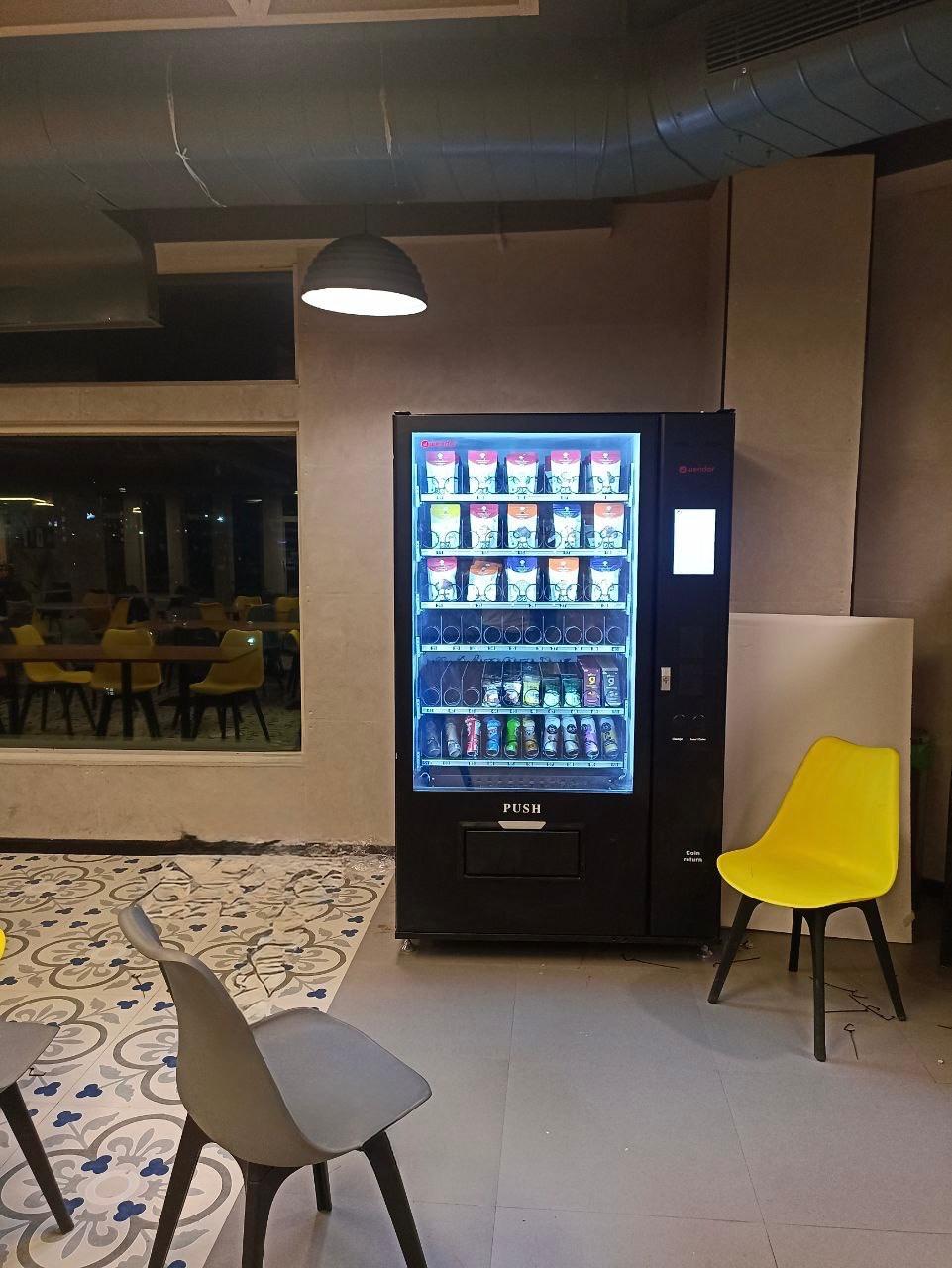
In premium offices and IT parks, the machine has to feel commercially credible. A cluttered or outdated setup can undermine the environment rather than improve it.
What office buyers usually worry about
Facilities and workplace teams usually want the same four things: a machine people will actually use, a cleaner service model than ad hoc pantry restocking, payment speed that matches office behaviour, and rollout logic that still works when the program expands to more floors or sites.
Why Wendor fits office spaces
Wendor frames office vending as an amenity program, not a standalone machine drop. That means choosing the right machine family, aligning assortment to workplace demand, supporting cashless purchases, and keeping replenishment and service visible enough for facilities teams to stay in control.
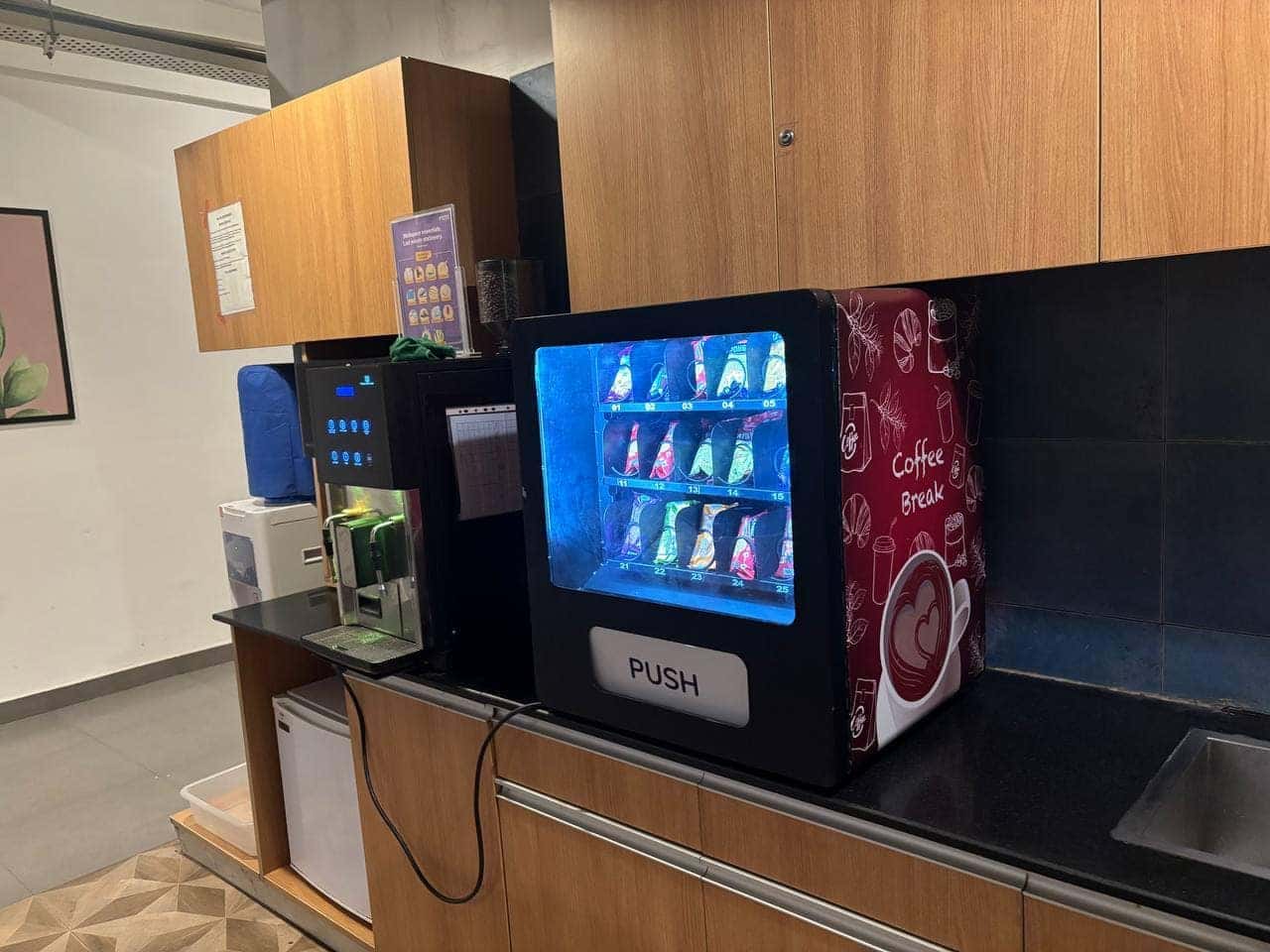
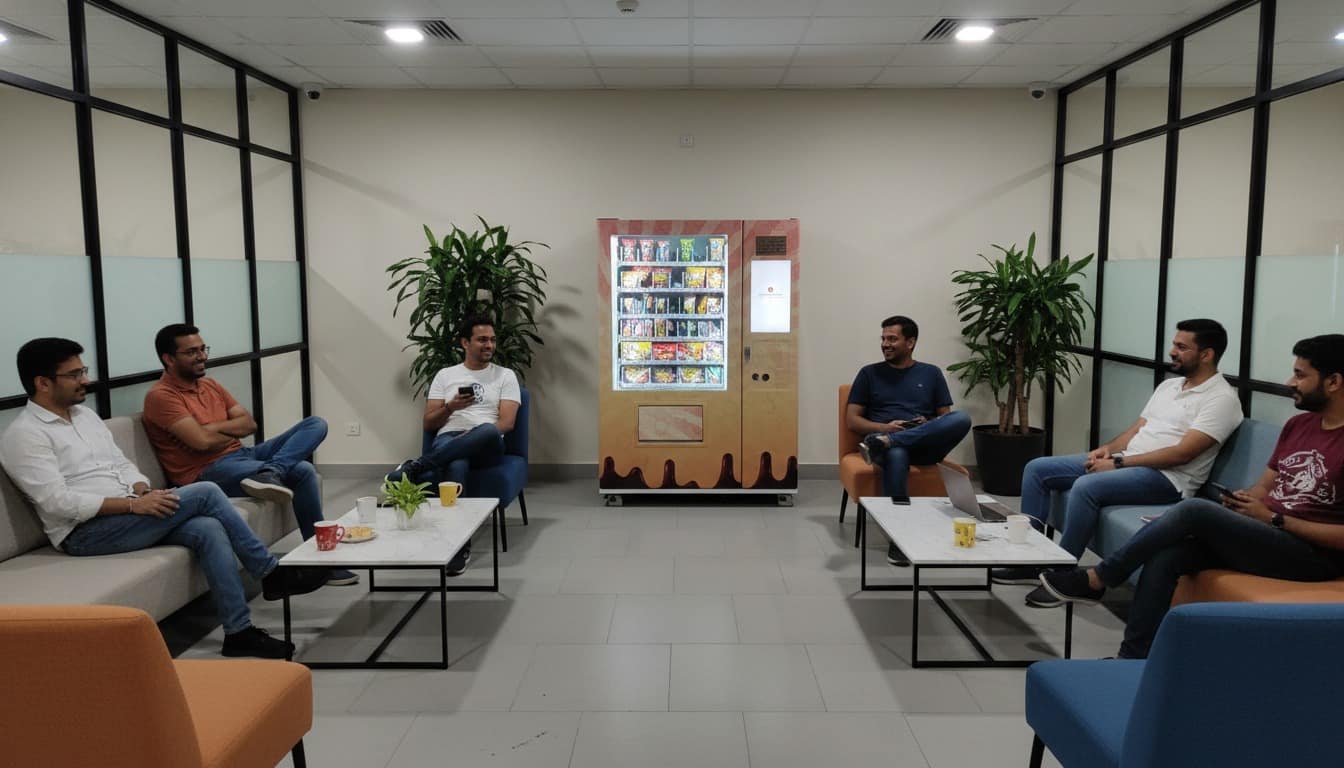
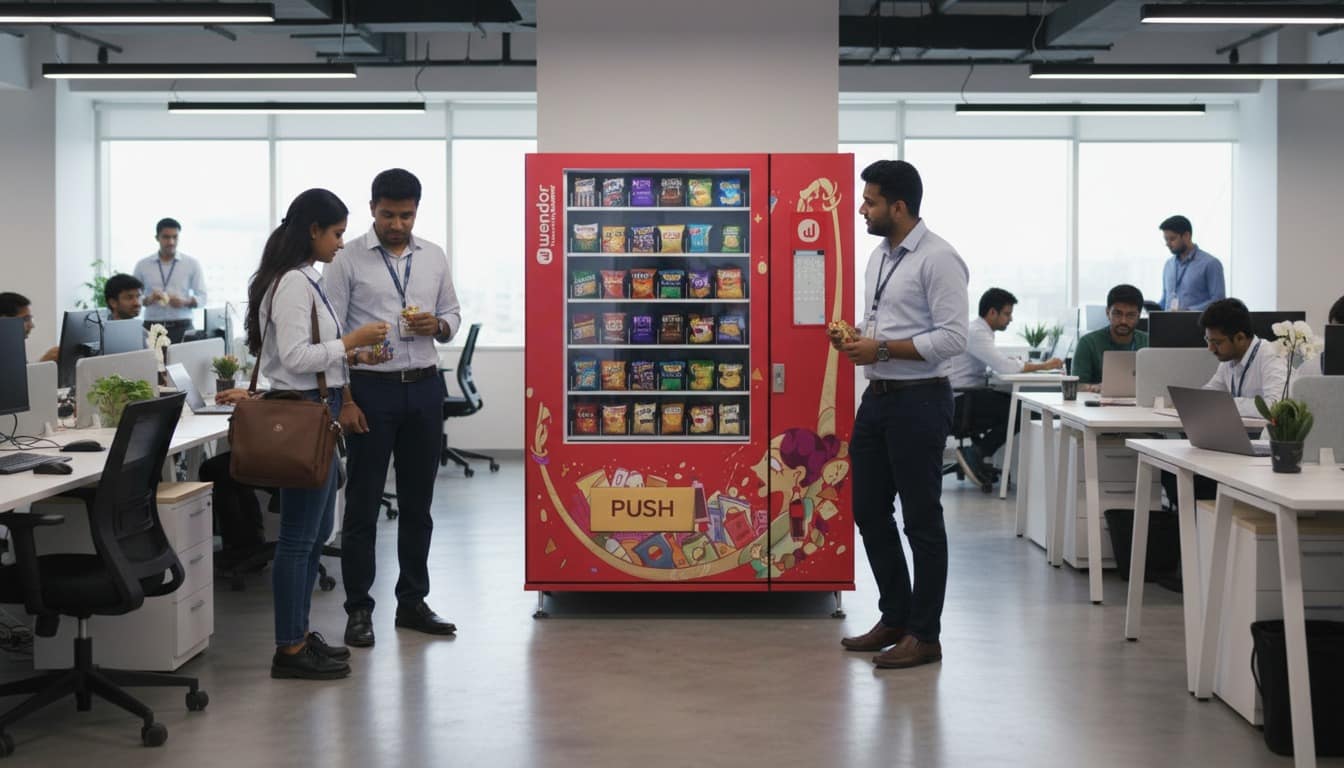
Office environments need a machine that looks intentional in lobbies, breakout zones, cafeteria spillover areas, and shared amenity spaces.
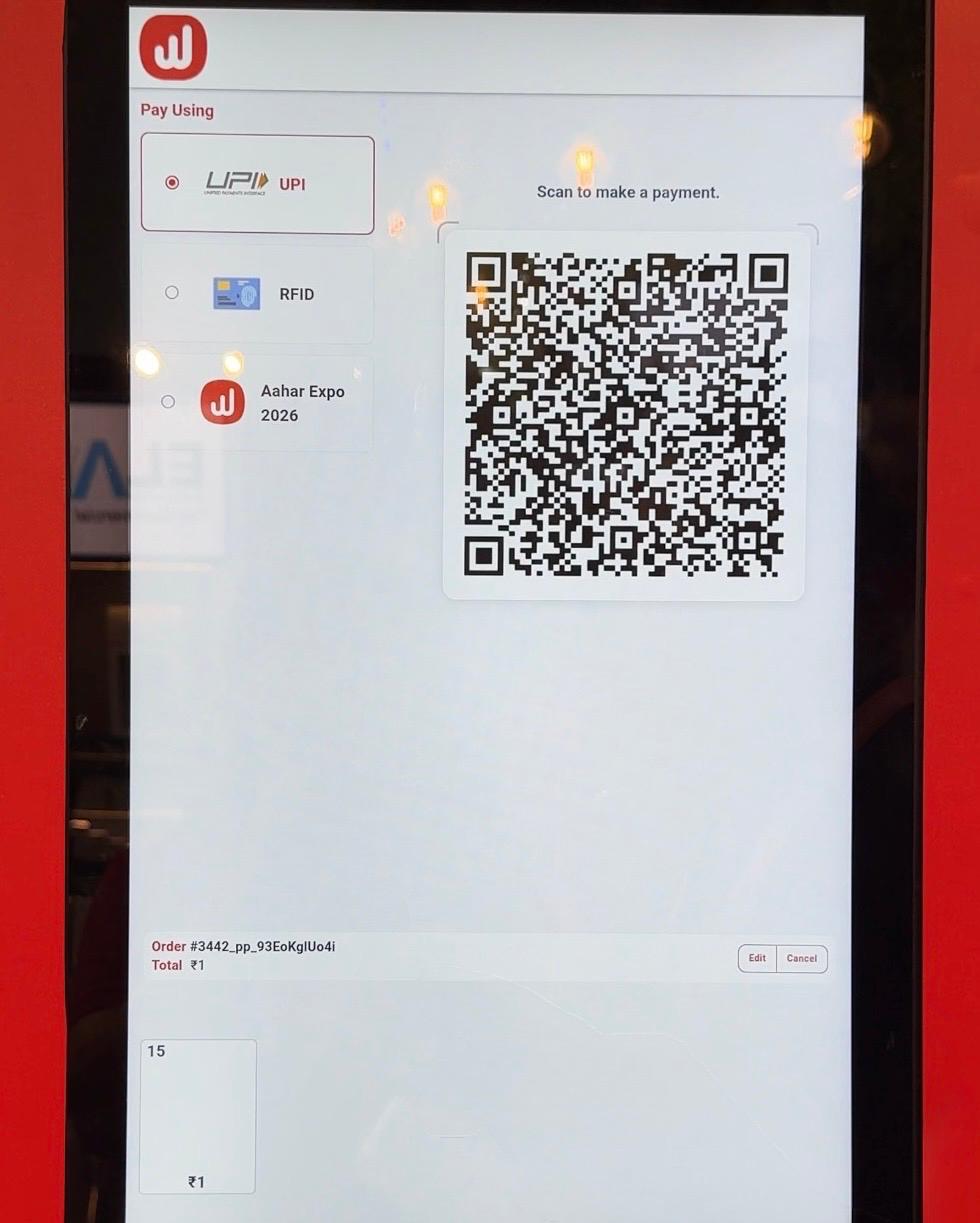
UPI and digital payments reduce friction for employees who expect fast, low-effort checkout rather than exact change or manual intervention.
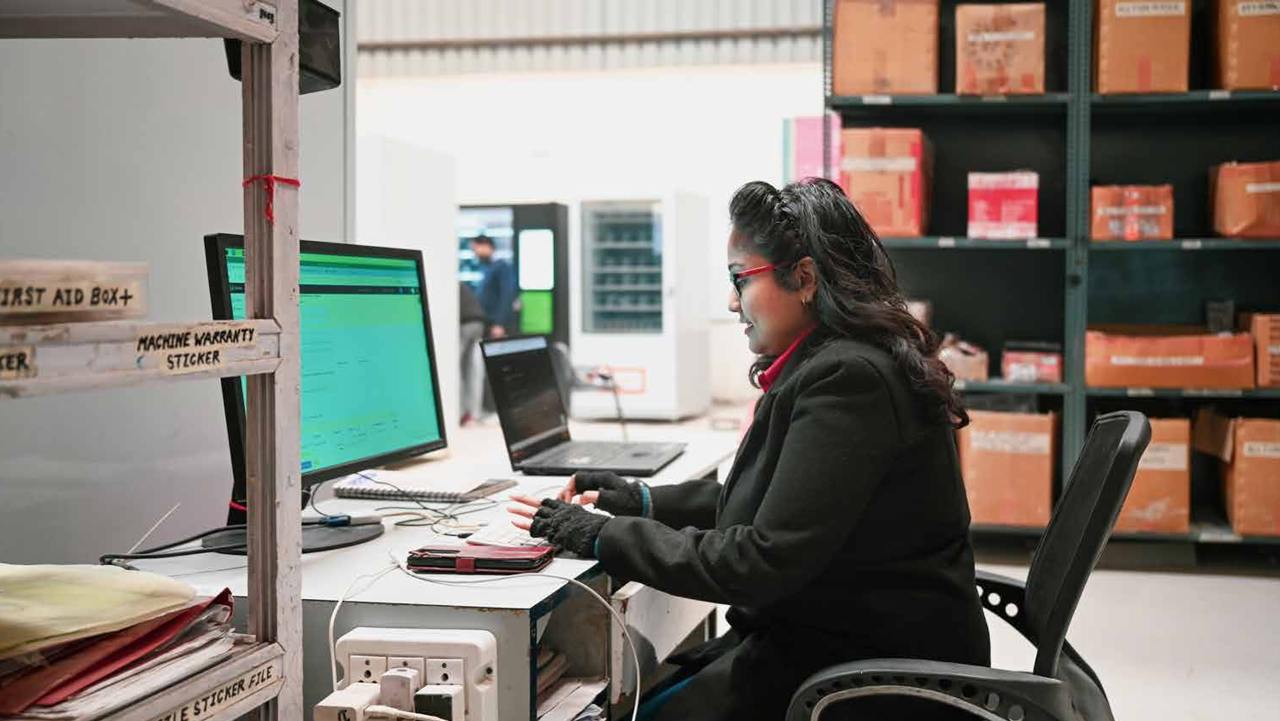
Sales patterns, stock movement, and service follow-up can be tracked with more discipline than a loosely managed pantry or manual refreshment corner.
Machine range
Compare the current machine range before deciding which format suits your office footprint and category strategy.
Explore route
Premium format
A strong fit for brand-sensitive office environments that need a more elevated machine presence.
Explore route
Flexible rollout
Useful when the office program needs room to adapt by floor, demand pattern, or future expansion stage.
Explore route
Buyer research
Use the blog to review office vending, category planning, and machine-selection context before rollout.
Explore route
Smaller footprint
A focused assortment of beverages, packaged snacks, and a few emergency essentials can solve basic convenience without overbuilding the program.
High-usage office
A stronger range and more premium machine presentation help support heavier demand, more frequent usage windows, and a higher workplace experience bar.
Campus model
Programs can be planned around multiple access points, mixed audiences, and staggered timing so convenience is available across the campus rather than in one bottleneck location.
Expansion path
Once one location proves the model, assortment and service logic can be repeated with clearer governance across more than one office or managed workspace.
Rollout logic
Wendor starts with the environment, not the SKU list. We look at where people gather, how long they stay, what access gaps exist, and how visible the program needs to be to employees and facilities teams. That shapes the machine recommendation, product categories, payment setup, and support plan.
Outcomes and proof
The goal is not just to place a machine. The goal is to give employees faster access to what they need while giving the business a better-managed convenience layer than an informal pantry or reactive refreshment setup.
Teams can access snacks, drinks, and quick-purchase essentials without leaving the building or depending on limited staffed windows.
A polished self-service program makes the office feel better equipped and more thoughtfully managed, especially in premium corporate environments.
Category planning and machine reporting create a clearer operating rhythm than manually topping up a pantry with limited usage insight.
IT parks and distributed office networks benefit from a model that can be reviewed, replicated, and improved location by location.
Commercial credibility
The page direction is informed by how workplace teams now think about amenities, flexibility, and convenience access. CBRE and Gensler both frame workplace experience and services as central to office value, while NPCI keeps reinforcing how normal UPI-based everyday payments have become in India. That combination makes a cashless, well-presented office vending layer feel increasingly native rather than experimental.
FAQ
The strongest office mix usually starts with packaged snacks, cold beverages, water, and coffee-adjacent convenience. Depending on the environment, the range can also include quick breakfast items, healthier packaged options, and a small set of non-food essentials such as chargers, tissues, or hygiene basics.
Yes, especially when access needs vary across buildings and working hours. A campus setup can place machines near the highest-friction points instead of relying on one pantry or one staffed counter to serve everyone.
A good program starts with a realistic category plan, then uses reporting and service routines to keep refills and machine attention visible. Reliability is usually less about one feature and more about whether the assortment, servicing cadence, and support workflow were planned properly from the start.
Yes, if the environment supports it. Offices often benefit from a limited range of emergency or convenience-led essentials, but those products should stay tightly curated so the machine still feels useful and well-managed rather than overloaded.
In India, a cashless-first setup is usually the cleanest fit for office behaviour. UPI is especially important, and additional digital payment options can help in premium office environments where speed and ease matter more than cash handling.
Office teams usually want the machine to feel like a managed amenity rather than a facilities burden. That means clear stocking routines, visible support ownership, and a service model that keeps uptime and presentation under control instead of waiting for the workplace team to chase issues manually.
Usually yes, but the right answer is not to duplicate every machine blindly. Multi-location rollout works best when one site establishes the right category mix, payment behaviour, and service rhythm first, then those learnings are adapted for each floor, building, or campus zone.
Ready to scope an office rollout?
Share your location type, audience, and operating goals. We will help map the strongest vending setup for employee convenience and practical day-to-day management.