Residential vending systems

Vending machine for residential societies that gives residents after-hours convenience without staffed retail overhead

Wendor helps residential societies, apartment communities, gated townships, and mixed-use housing developments add a more reliable in-community convenience layer for daily-need purchases, late-night basics, snacks, beverages, and quick essentials.

After-hours access for small but urgent daily-need purchases
Cashless buying that feels simple for residents and guests
Product flexibility for beverages, snacks, hygiene, and family-use basics
Visibility for stock, service, and upkeep in shared community spaces
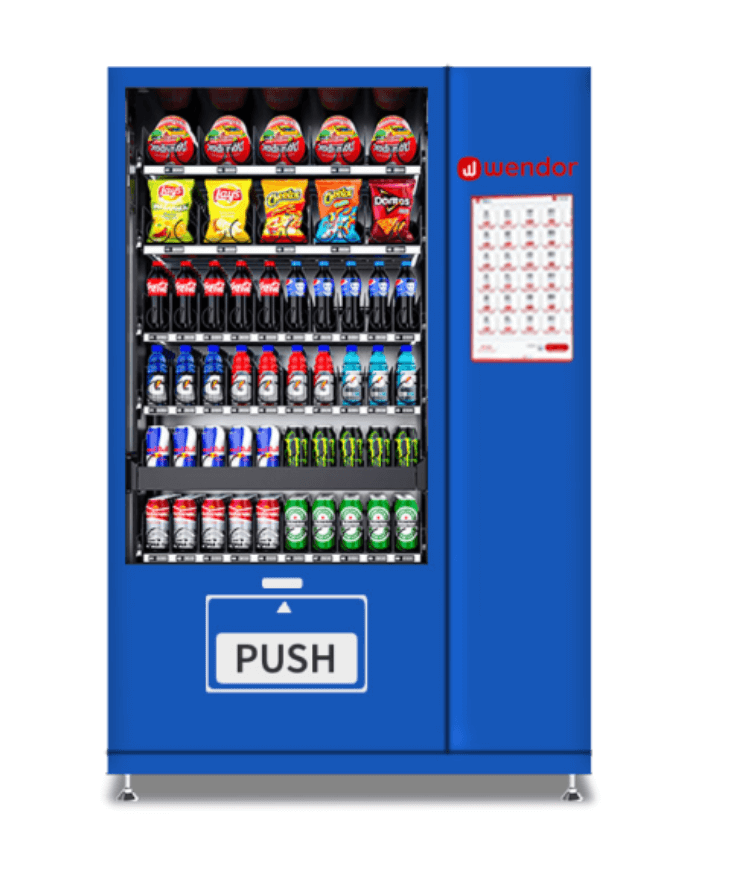
Wendor Nova Series vending machine for residential societies and apartment communities

Best fit

Apartment complexes, gated communities, township clusters, and mixed-use residential developments

Typical mix

Water, drinks, snacks, hygiene-led essentials, and quick-purchase household basics

Amenity role

Resident convenience, late-hour support, and managed self-service access inside the community

Residential pain

Most community need states are small, urgent, and not worth a full trip outside the gate.

Residential buyers are usually not solving for big weekly shopping missions. They are solving for the ten-minute problem: a bottle of water, a snack for a child, tissues, a charger, a late-night beverage, or another small daily need that should be easier to access inside the community.

Late-night need states are real

Residents often realize they need something important after local shops have shut, delivery feels too slow, or stepping outside the gate is more effort than the purchase justifies.

Short trips for basics create friction

In larger residential complexes and townships, even a simple convenience run can become a chore when the nearest option is outside the immediate cluster or open only at certain hours.

Modern residents expect managed amenities

Communities increasingly compete on convenience, safety, and everyday ease. A cleaner self-service amenity can support that expectation without needing a full staffed society shop.

Property teams do not want another headache

RWA and property managers usually want the benefit of added convenience without getting dragged into daily manual operations or unpredictable replenishment issues.

What residential buyers usually worry about

The questions are practical and family-oriented: will residents trust it, what should actually be stocked, where should it sit inside the property, and can the machine stay useful and well-maintained enough to feel like a credible amenity rather than an experiment?

Will residents actually use it for real day-to-day needs?
What products stay relevant for families, singles, and older residents?
How do we keep the machine useful without turning it into an unmanaged mini-store?
Can it sit in a community lobby or clubhouse without looking out of place?

Why Wendor fits residential communities

Residential vending works best when the machine feels like a reliable amenity, not a retail gamble.

Wendor positions residential vending around daily-use practicality, simple cashless buying, and predictable serviceability. That means matching the assortment to realistic community needs, placing the machine in trustworthy common areas, and keeping stock and upkeep visible enough for the property team to stay comfortable.

Product flexibility for daily life

A residential machine can support beverages, snacks, hydration, hygiene items, and other quick-purchase basics, provided the assortment is shaped around what residents genuinely need in small urgent moments.

Resident-friendly buying flow

Cashless checkout helps the machine feel easy and low-friction for everyday use, whether the buyer is a resident, a family member, or a guest moving through a shared common area.

Visibility for service and stock

Property operators benefit from a more managed convenience layer when the machine can be monitored for replenishment, usage patterns, and upkeep instead of being treated as a blind spot.

High trust point

Apartment lobby

Useful for visible, easy-access community convenience where residents already pass through as part of daily entry and exit.

Community hub

Clubhouse or amenity block

A strong fit when the goal is to support evening, leisure, and family-use demand in a central shared common area.

Cluster convenience

Tower cluster

Helps larger societies reduce short convenience trips by placing self-service access closer to the buildings that generate the demand.

Mixed-use support

Township retail node

Works well in larger developments where the machine can complement existing shops and add after-hours or overflow support.

Deployment model

The strongest community placements are the ones residents already trust and pass through naturally.

Wendor starts with everyday movement inside the property. Some communities need a machine near the main lobby or entry. Others need it closer to clubhouses, tower clusters, or the internal retail node of a larger township. The best location is usually where convenience is useful without creating visual clutter or resident discomfort.

Outcomes and proof

A well-run society vending program improves convenience while keeping the amenity experience under control.

The value comes from reducing small everyday friction for residents while giving the property a more modern convenience layer. When the machine is placed well and the mix is sensible, the community gets faster access to basics without the burden of running a staffed store.

Better resident convenience

Residents can solve small everyday needs inside the community instead of making a late-night or low-value trip outside the property.

Stronger after-hours support

The machine helps cover those moments when local shops are shut, delivery is impractical, or the need is too urgent for a full wait.

More modern amenities

A clean self-service setup can make the community feel better equipped and more thoughtfully managed without relying on luxury-style overstatement.

Controlled convenience retail

Property teams can support a useful retail layer without operating a staffed counter or letting convenience access become disorganized.

Resident convenience reality

This page is grounded in a broader housing truth: convenience is now a serious amenity expectation, especially when it is self-service and available beyond standard hours. Official renter research from Apartments.com shows strong demand for convenience-led community features like controlled amenity access and secure 24/7 self-service package access, while Wendor’s own location guidance already treats residential societies and apartment complexes as a growing convenience format in India. The practical implication is straightforward: a managed daily-need vending layer can fit well when it stays useful, trusted, and easy to maintain.

Coca-Cola
Nestle
NITI Aayog
Ministry of Defence
UPI and cashless checkout Refill and service visibility Single office to multi-campus rollout

FAQ

Questions residential communities ask before rollout

The strongest residential mix usually includes water, beverages, packaged snacks, and a carefully chosen set of daily-need basics such as tissues, sanitary products, chargers, hygiene items, or other small necessities that solve real household moments. The exact mix should reflect the resident profile and the kind of need the community wants to support.

Planning a community rollout?

Tell Wendor about your residential society, apartment complex, or township and we will help shape the right convenience setup.

Share your property type, resident profile, and amenity goals. We will help map a residential vending program built for daily-life relevance and dependable operation.

Machine + software programs India and UAE teams Designed for international growth
WhatsApp