Dead zones do not monetize themselves
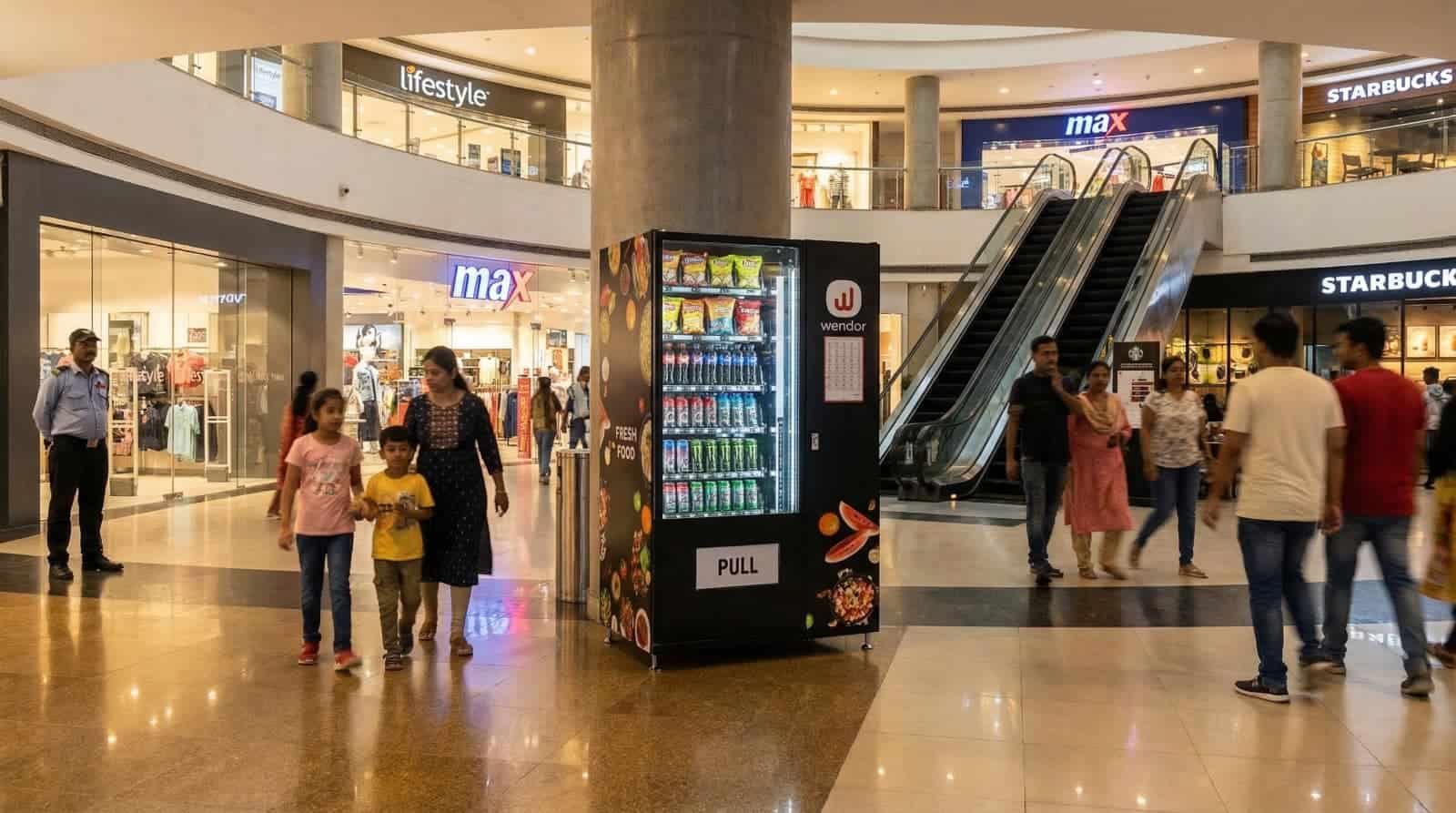
Large retail destinations often have circulation-heavy areas with solid footfall but weak retail capture because there is no compact offer positioned where demand actually forms.
Retail and mall vending
Wendor helps malls, retail centers, and mixed-use destinations capture impulse demand, extend convenience access beyond staffed counters, and create more brand-forward self-service retail moments for accessories, snacks, beverages, and quick-purchase essentials.
Best fit
Shopping malls, mixed-use retail destinations, multiplex zones, and circulation-heavy retail corridors
Category mix
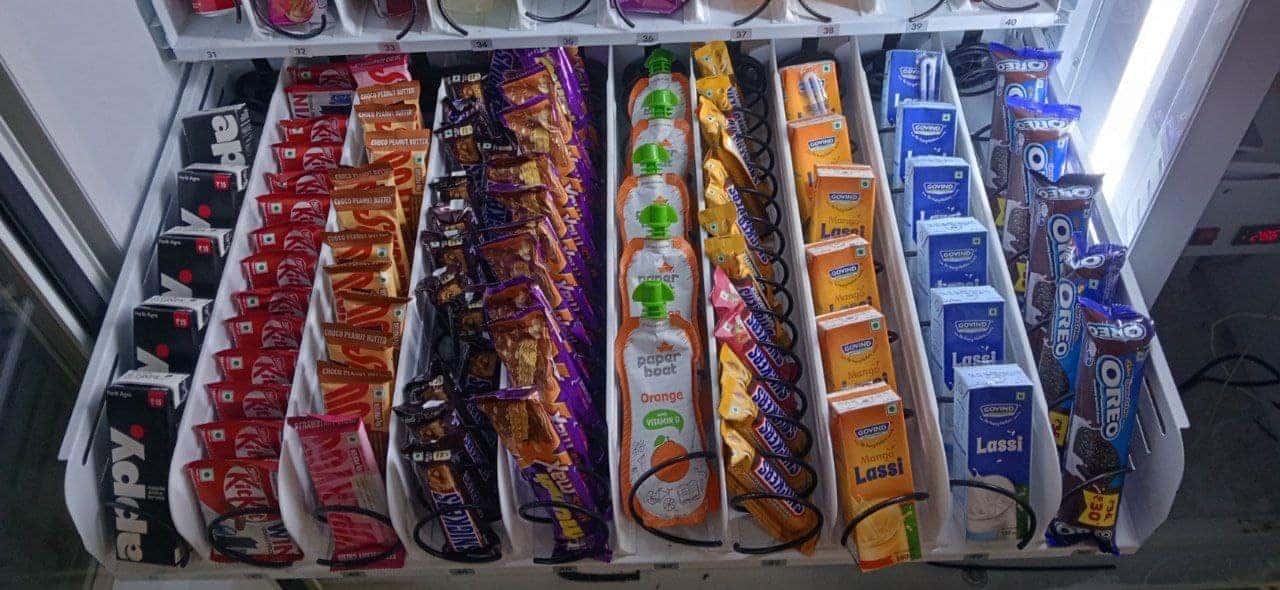
Accessories, convenience essentials, drinks, snacks, and brand-led trial or impulse products
Retail role
Impulse capture, after-hours support, and polished self-service access in underactivated zones
Retail operating pain
Shoppers buy in motion. They notice something while heading toward a cinema, moving between anchors, exiting the building, or waiting in a corridor with spare dwell time. If the retail option is too far away, too slow, or not visible enough, the impulse disappears quickly.
Large retail destinations often have circulation-heavy areas with solid footfall but weak retail capture because there is no compact offer positioned where demand actually forms.
The need for a charger, bottled drink, cosmetic touch-up item, or quick snack is often real but brief. A shopper may skip the purchase entirely if the journey feels inconvenient.
Certain retail zones still see movement after some counters close, especially near cinemas, exits, parking transitions, and mixed-use access points.
Mall operators and brand teams usually reject anything that feels cluttered, cheap, or visually disconnected from the wider destination experience.
What mall and retail buyers usually worry about
The practical concerns are not abstract. Buyers want to know whether the machine will feel brand-right, whether the category plan will genuinely complement existing stores, whether the placement will convert footfall, and whether the machine can stay polished under constant public visibility.
Why Wendor fits retail destinations
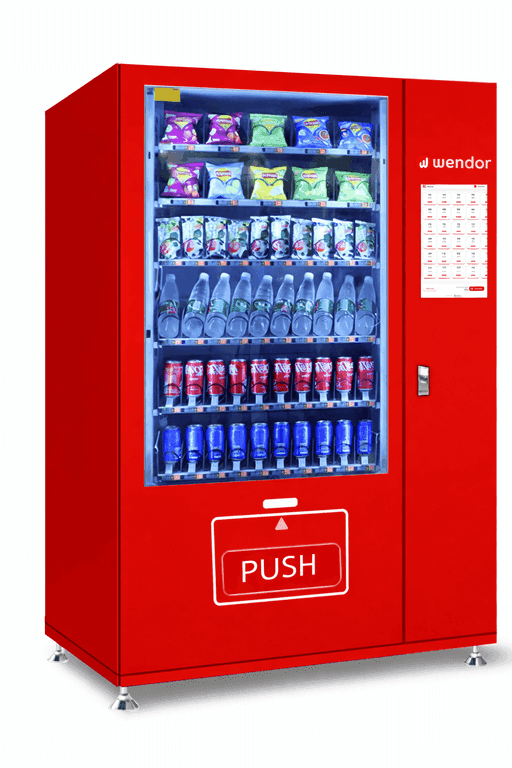
Wendor frames mall vending as a compact self-service retail format, not a fallback snack machine. That means stronger presentation, category planning built around impulse and convenience behavior, cashless checkout that keeps the basket moving, and a setup that can support both operator-led convenience and branded activation goals.
In mall environments, the machine has to look commercially credible from a distance and still feel clear and easy to shop when a customer approaches quickly.
The machine can do more than vend. It can support brand visibility, campaign-led storytelling, and a more polished product encounter in public retail space.
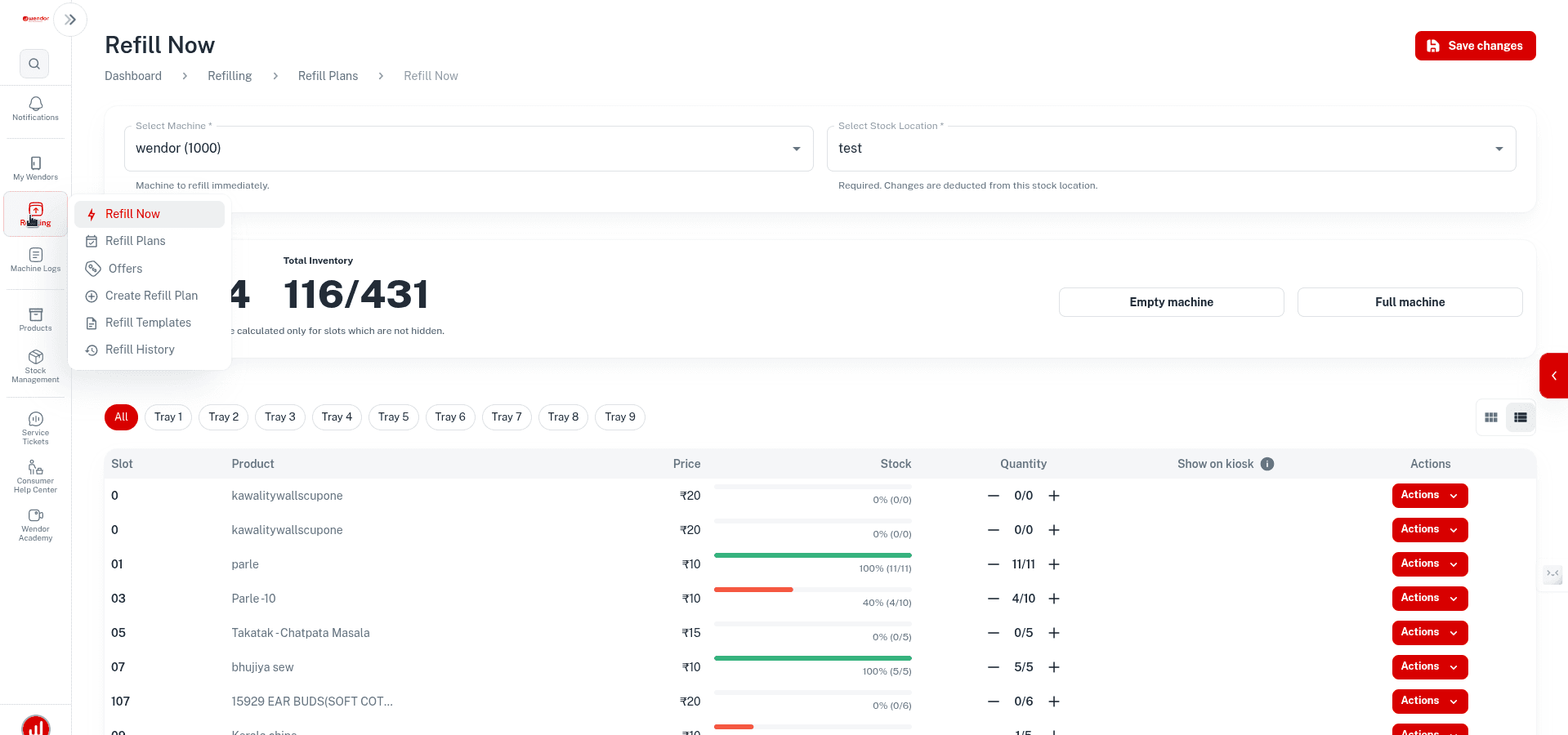
Operators need the machine to stay sale-ready, stocked, and easy to maintain while supporting a purchase flow that matches today’s digital retail behavior.
Machine range
Compare the current lineup to decide which machine format fits your corridor, atrium, or branded retail use case.
Explore route
Premium format
A strong fit for design-sensitive retail environments where machine presentation matters to the wider destination story.
Explore route
Brand activation
Use this live Wendor resource for the closest current reference to branded vending and activation-led machine concepts.
Explore route
Retail planning
Share your mall, retail center, or mixed-use destination use case directly with the team.
Explore route
Walk-by conversion
Useful for compact accessory, beverage, and impulse-category retail where people are already moving between stores and notice the offer in passing.
High dwell time
A strong fit for quick snacks, drinks, and convenience categories near cinema traffic and entertainment-led dwell time.
Brand visibility
Best for visible branded self-service moments where the machine can act as both a selling point and a retail statement.
After-hours support
Helps capture last-minute purchases near parking transitions, exits, and convenience-led crossover points inside a larger destination.
Deployment model
Wendor starts by mapping where footfall is present but basket capture is weak. In some properties that means retail corridors and atriums. In others it means multiplex spillover, exit paths, parking transition zones, or mixed-use nodes where people need a quick purchase but do not want to enter a full store.
Outcomes and proof
The value is not just selling snacks. It is using self-service retail to activate overlooked zones, support accessory and convenience demand, and create a more modern path to impulse purchase without forcing every shopper into a staffed store format.
Shoppers can complete small purchases at the moment of intent instead of losing interest while navigating toward a full retail counter.
Malls can extend convenience buying into zones that are visible and busy but not suited to a full permanent store footprint.
A polished machine can support branded merchandising, product discovery, and activation-style retail encounters without feeling low-grade.
Operators can turn circulation-heavy spaces into commercially useful zones with a tighter self-service offer and clearer stocking logic.
Retail reality
This page is grounded in how real shopping centers already think about compact retail formats. ICSC’s current reporting shows landlords adopting more shopper-targeting and engagement technology inside centers, while Simon management-office pages explicitly position carts, kiosks, and in-line formats as normal leasing tools inside major malls. Westfield’s retailer pages also show how kiosks can support quick-bite and accessory-oriented offers without needing a full-store footprint. The practical implication is clear: compact formats work in retail destinations when the presentation and product fit are strong enough.
FAQ
The strongest categories are usually impulse-led and compact: beverages, snacks, mobile accessories, travel-friendly basics, hygiene essentials, and selected brand or trial products. The key is to match the category to the exact zone rather than treating the whole mall like one retail environment.
Yes, if the machine is treated as part of the brand experience rather than just a utility box. In mall environments, branding, product presentation, and placement matter as much as the hardware itself because the machine is always being judged in public view.
Placement works best in circulation-heavy zones with real dwell time or walk-by intent: mall corridors, multiplex approaches, atriums, exit paths, parking transition points, and mixed-use convenience spots. The best location is usually where shoppers already pause or realize they need something quickly.
Yes, especially in zones that still see movement when some staffed counters are closed. Mixed-use destinations, cinema-led traffic, and late-hour exit flows can all support convenience-led self-service even when a full staffed retail format is not practical.
Yes. Mall vending is often strongest when it goes beyond snacks into accessories, chargers, travel basics, and other compact convenience products that shoppers are willing to buy quickly without a long browsing journey.
Retail-center machines need a disciplined operating rhythm so they stay visually polished, in stock, and ready for public-facing use. The goal is to keep the machine brand-right at all times, not simply refill it when it runs empty.
Planning a retail destination rollout?
Share your property type, target categories, and activation goals. We will help map a self-service retail setup built for impulse demand and premium presentation.