Education and campus vending

Vending machine for schools and colleges that improves campus access with more control

Wendor helps schools, colleges, hostels, libraries, and boarding environments add a cleaner cashless convenience layer for snacks, beverages, and essentials with stronger control over assortment, placement, and day-to-day oversight.

Cashless-first buying for repeat campus use and institution-led control
Machine formats that fit schools, colleges, hostels, libraries, and boarding environments
Controlled assortment planning instead of unmanaged convenience drift
Visibility for stocking, usage patterns, and multi-building rollout
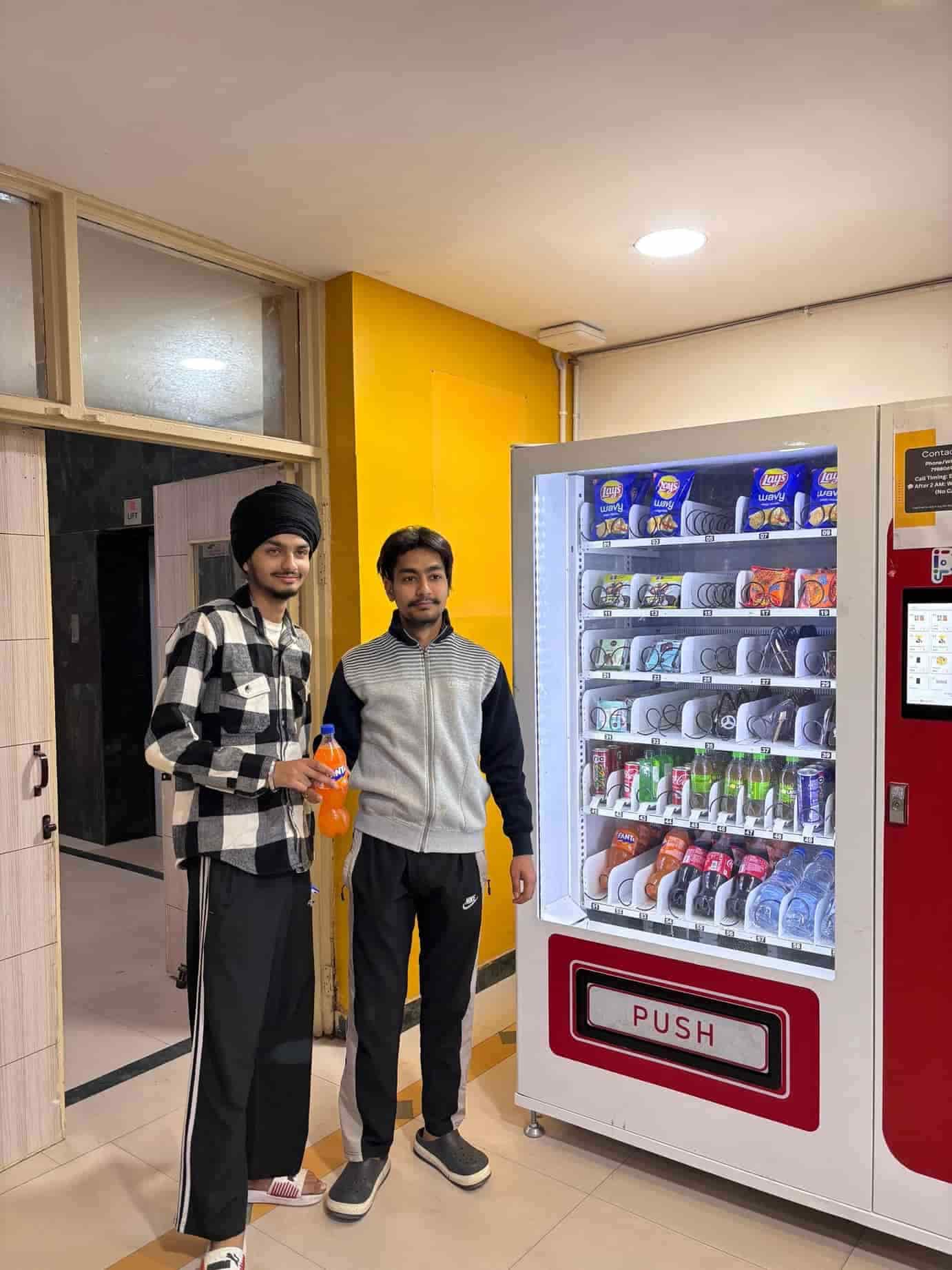
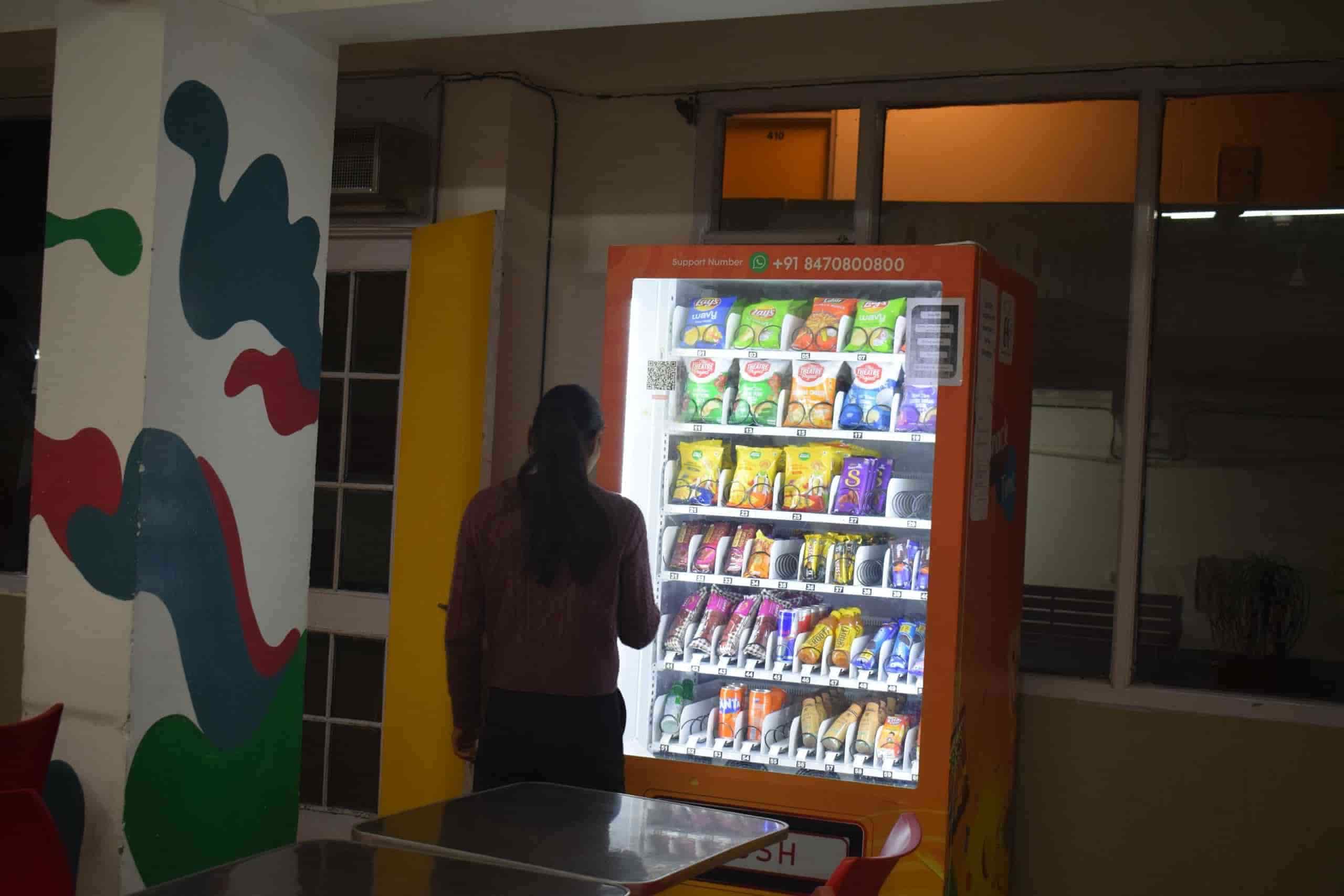
Wendor education vending machine for campus environments

Best fit

Schools, colleges, hostels, boarding campuses, and library-led student zones

Control model

Institution-approved assortments with digital-first payments and clearer oversight

Rollout path

Single-building pilots through broader campus network deployment

Campus operating pain

Campuses are live operating environments, not single-point retail locations.

Students move between classrooms, hostels, libraries, labs, and common areas on different schedules. That creates uneven access to food, beverages, and basics, especially when the institution relies on a few staffed counters or canteens to serve the entire day.

Queues build around a small number of sale points

Short breaks and class changeovers push large numbers of students toward the same counters at the same time, creating avoidable pressure on staff-managed sale points.

Hostel and late-study demand continues after counters close

Hostels, boarding environments, and extended library hours often create real after-hours demand for beverages, snacks, and selected convenience items.

Small convenience gaps create outsized friction

A missing water point, quick snack option, or basic hygiene item can become a recurring operational issue when students have to leave the immediate campus zone to find it.

Institutions need governance, not just access

Education buyers usually care as much about what is sold and where it is sold as they care about student convenience. Without controls, the setup stops feeling institution-ready quickly.

What education buyers usually worry about

The core questions are predictable: can the assortment stay age-appropriate, can the machine fit both schools and colleges, can payments work without adding cash-handling mess, and can the institution manage more than one machine across multiple buildings with confidence?

Will students misuse it or treat it like an unmanaged corner shop?
Can we control the product mix by environment and age group?
Does the same approach work for schools, colleges, and hostels?
How do we keep oversight clear across a larger campus footprint?

Why Wendor fits education

Education vending works best when convenience is balanced with institutional governance.

Wendor positions campus vending around controlled assortment, simple purchase flow, and practical environment fit. That means one approach for schools, another for higher-ed, and a clear rollout logic for hostels, libraries, and boarding settings where demand patterns change over the day.

School vs college fit

K-12 environments usually need tighter category control and simpler oversight, while colleges and universities can support a broader convenience mix across more buildings and longer operating hours.

Cashless and campus-wallet relevance

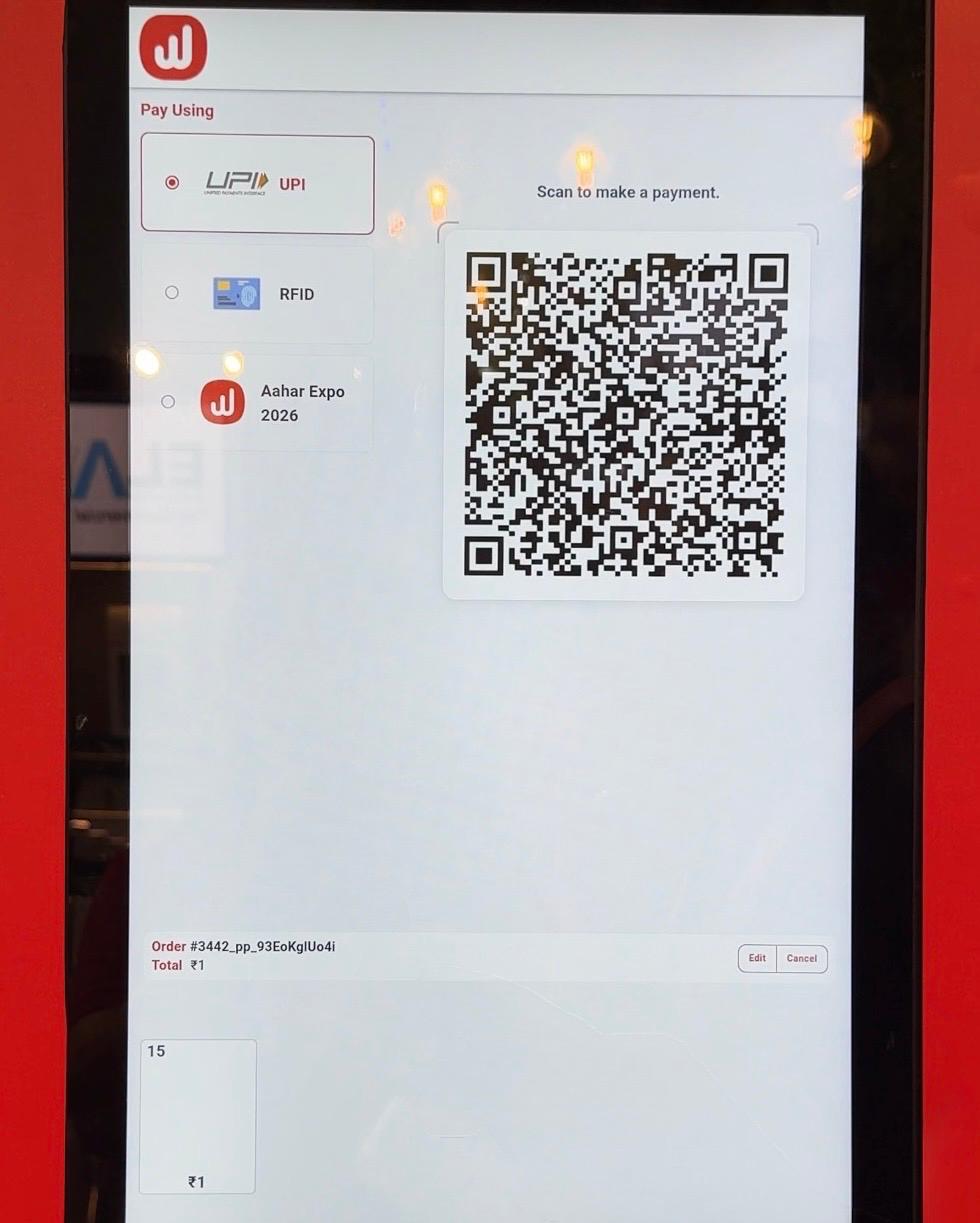
Students increasingly expect digital-first payments, and some institutions may also want wallet, RFID, or stored-value style access layered into the vending experience where it fits the campus operating model.

Controlled category planning

The right program can include beverages, packaged snacks, water, and selected essentials, but the mix should stay aligned to institution standards rather than defaulting to a generic retail assortment.

Higher governance

School campus

Best for tightly controlled assortments, limited category sprawl, and clearer oversight in student-facing academic zones.

Higher throughput

College campus

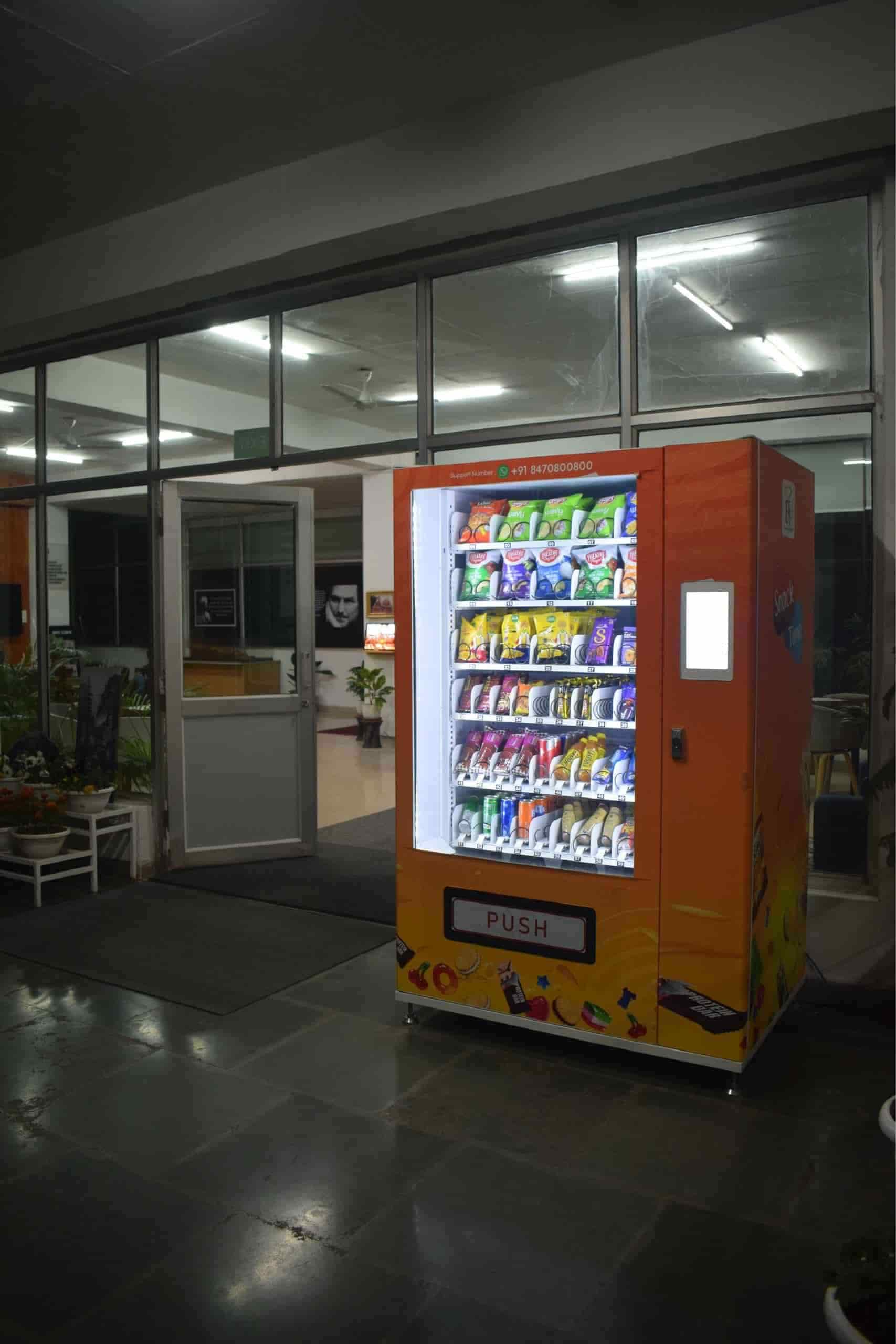
Supports broader student traffic, more flexible category planning, and deployment across multiple convenience points.

Late-hour support

Hostel or boarding area

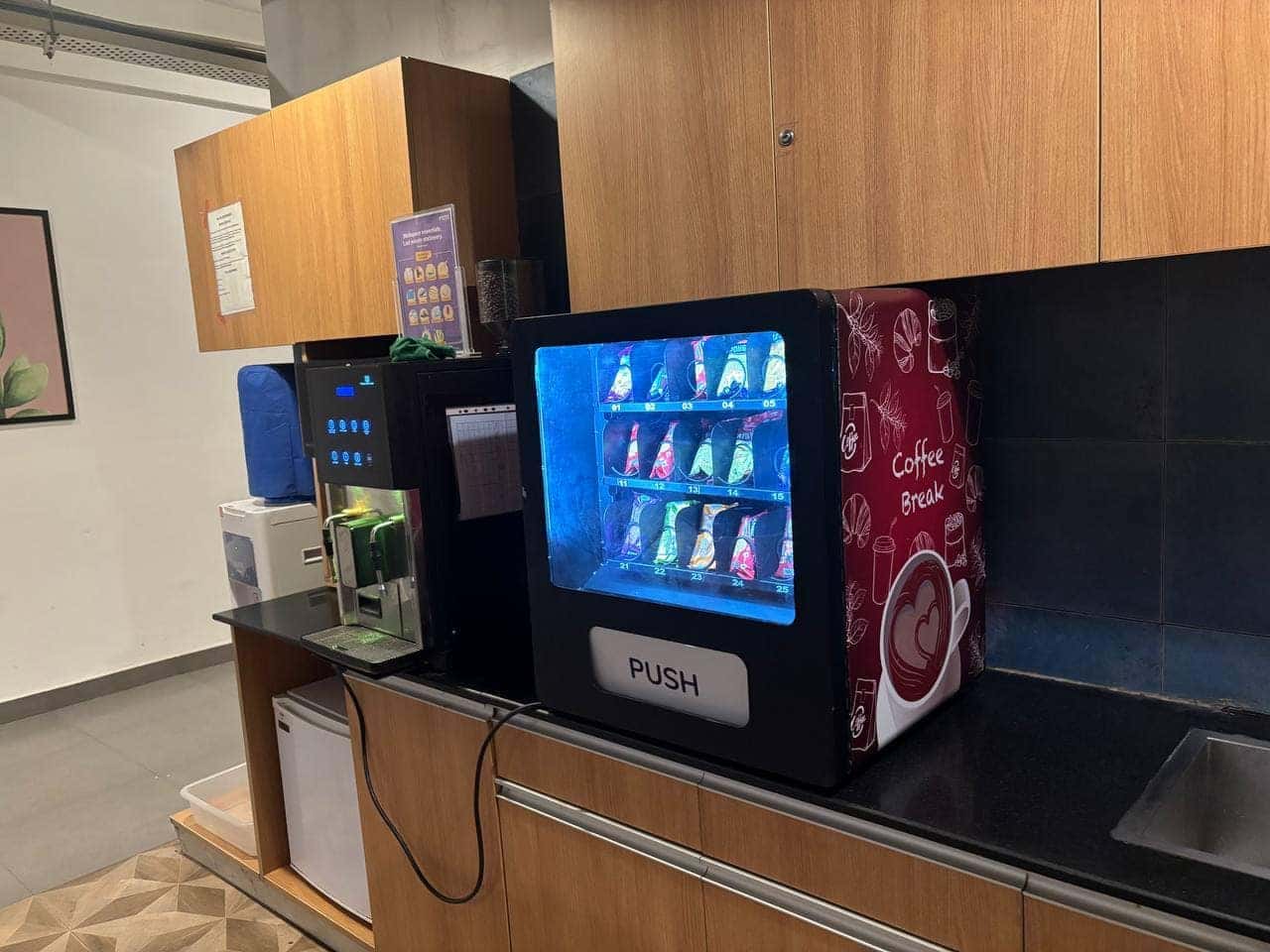
Useful when students need after-hours access to drinks, snacks, and selected essentials without depending on staffed counters.

Quiet-access retail

Library or study zone

A focused self-service setup can support long dwell times and quiet convenience in buildings with sustained student usage.

Deployment model

The right campus setup depends on who uses the machine, when they use it, and how tightly the institution wants to govern the category mix.

Wendor starts by mapping the environment. A school campus may need stricter assortment and tighter supervision. A college may need broader access across common zones. Hostels, libraries, and boarding campuses often need late-hour support with a more focused range and clearer oversight.

Outcomes and proof

A well-run campus vending program improves access while keeping the institution more in control.

The goal is not to drop a machine into a corridor and hope it performs. The goal is to build a more organized convenience layer for students, staff, and visitors while reducing pressure on manual counters and giving the institution a clearer way to govern what is sold where.

Better student access

Students can get beverages, snacks, water, and selected basics closer to where they actually spend time instead of depending on one crowded sale point.

More controlled convenience

Institutions can keep assortment planning central rather than letting convenience drift into an unmanaged mix that feels out of step with the campus.

Less pressure on staffed counters

Canteens, kiosks, and admin-managed sale points do not have to absorb every short-break purchase or every after-hours request.

Stronger campus experience

A cleaner self-service layer makes the campus feel better equipped, more modern, and easier to navigate for students, staff, and visitors.

Campus reality

This page is grounded in how campuses actually operate. Official student-life pages from the University of Virginia show snack and drink vending across libraries and residence halls, while campus card programs at the University of Massachusetts Dartmouth and Mercer University explicitly support vending-machine purchases through stored-value student accounts. Together, those patterns reinforce the core Wendor story for education: access works best when convenience is distributed across campus and tied to a clean cashless model.

Coca-Cola
Nestle
NITI Aayog
Ministry of Defence
UPI and cashless checkout Refill and service visibility Single office to multi-campus rollout

FAQ

Questions schools and colleges ask before rollout

The answer depends on the environment. Schools often need a narrower, more tightly governed mix, while colleges, hostels, and libraries can usually support a broader range of beverages, packaged snacks, water, and selected convenience items. The key is to define the assortment by audience and building type rather than using one generic list everywhere.

Planning an education rollout?

Tell Wendor about your school, college, hostel, or campus footprint and we will shape the right machine, payment model, and category plan.

Share your institution type, student mix, and deployment zones. We will help map a campus-ready vending setup that balances convenience with governance.

Machine + software programs India and UAE teams Designed for international growth
WhatsApp